

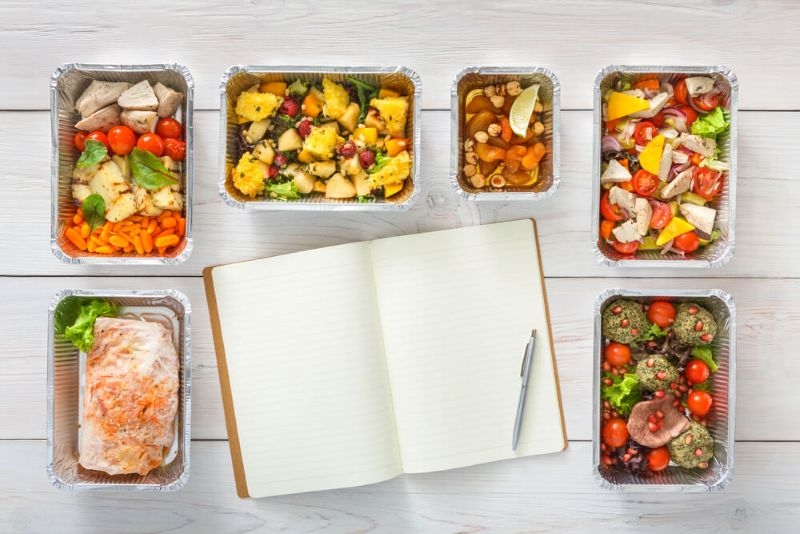
Meal planning sounds like a calm Sunday habit. In real life, it can feel like homework. People sit down with good intentions, then their brain goes blank. Or they plan a perfect week and nothing goes as planned. Meetings run late. Kids change their minds. Someone suddenly hates leftovers. It happens.
The fix is not “try harder.” The fix is to plan in a way that assumes life will get messy. A plan that bends usually survives. A rigid plan usually gets abandoned by Wednesday.
That’s why the best meal planning strategies are less about fancy charts and more about small systems. Repeatable steps. A little structure. Enough freedom to keep dinner from turning into a daily debate.
If the goal is less stress and less trash in the bin, planning needs to do two jobs at once:
Start with a quick fridge and pantry scan. Not a deep clean. Just a 2-minute check:
That scan is the secret weapon for anyone trying to reduce food waste. It turns planning into a “use this up” game instead of a “buy everything new” habit.
Now, pick dinners that share ingredients. If the week includes tacos, a stir-fry, and a salad, the same onions, peppers, and herbs can pull double duty. Less shopping. Less leftover odds and ends.
When planning feels overwhelming, it helps to shrink the decisions.
Ask three questions:
From there, build a rough plan, not a strict script. Think “meal ideas” instead of “meal schedule carved in stone.”
This works especially well for beginner meal planning tips because it keeps things simple and avoids the all-or-nothing trap.
Not everyone plans the same way, and that’s fine. Here are a few styles that actually stick.
Assign loose themes:
It removes decision fatigue. People still choose recipes, but within an easy lane.
Instead of full recipes, plan components:
Then dinners build themselves. It’s flexible and forgiving.
Cook one main item and reuse it:
This is a quiet way to stay consistent with weekly meal planning without cooking every night.
This is the part people overcomplicate. A simple routine works better than a fancy one.
Pick 3 core dinners
Choose meals that feel achievable. Not aspirational. Achievable.
Add 2 quick backups
Things like eggs, frozen dumplings, rotisserie chicken, soup and sandwiches. Backup meals prevent chaos.
Plan 1 leftover night
Put it on the calendar like it matters. Because it does.
Add lunch support
Lunch is where food waste often hides. Plan lunches as “repeat dinner” or “mix and match” (salad kits + leftover protein).
Write a short grocery list
Keep it tight. Buy what supports the plan.
That’s a usable meal planning guide. Short, practical, and not overly precious.
Shopping is where good plans go to die. People walk in for “a few things” and leave with snacks and no dinner ingredients. Classic.
A simple fix is organized grocery shopping by categories:
Also, don’t shop hungry. It sounds obvious. It’s still true.
Another practical habit: choose one “flex” produce item instead of five fragile ones. For example, cabbage lasts longer than salad greens. Frozen vegetables last longer than fresh asparagus. If the week is busy, plan like the week is busy.
That mindset helps reduce food waste without making food feel boring.
Food waste usually comes from good intentions. People buy produce for the “healthy week” and then life happens.
Try this:
Keep one dinner each week as a “use-it-up” meal
Stir-fry, soup, omelet, fried rice, or a big salad.
Keep a small leftover container system
One shelf in the fridge. Visible. No mystery boxes pushed to the back.
Freeze what you won’t use in time
Bread, chopped onions, cooked rice, sauces, even spinach for smoothies.
These small habits make planning feel rewarding because the fridge stays manageable. No guilt. No science experiments.
Meal prep does not have to be an all-day event. It can be “prep light.”
Ideas that take 30 to 45 minutes:
That’s enough to make weekdays smoother. People often forget how much stress comes from tiny tasks like chopping onions at 7:30 p.m.
And yes, some weeks will be chaotic. That does not mean planning failed. It means the plan needs to be simpler next week.
This is where most people quit. They miss a planned meal and decide they are “bad at meal planning.” Not true.
A flexible plan has:
If a meal doesn’t happen, it moves. That’s it. Planning is not a test. When people accept that, meal planning strategies start to feel like support instead of pressure.
Here’s a realistic example:
This style supports weekly meal planning while still leaving space for real life. It also naturally reduces waste because ingredients repeat across meals.
Start with three dinners and two backup meals. Keep ingredients simple and repeat meals you already like. Add complexity later, not now.
Do a quick fridge scan first, plan meals that reuse ingredients, and schedule one “use-it-up” dinner each week. Store leftovers where you can see them.
Plan meal ideas, not strict dates. Build in a leftover night, keep flexible ingredients, and allow swaps. A plan that bends is easier to follow.
This content was created by AI