

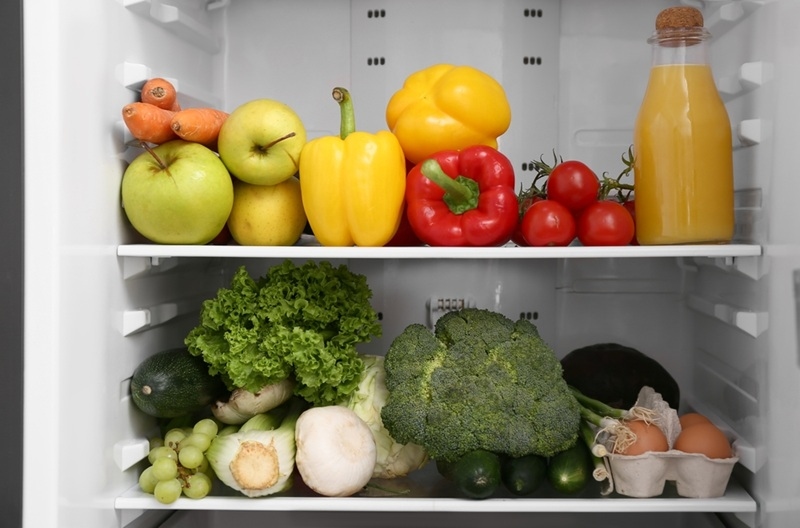
We’ve all been there. You buy a big haul of fresh produce with good intentions. A few days later, the spinach is slimy, and the strawberries look tired. It feels frustrating, even wasteful. But here’s the thing. Most produce doesn’t go bad because it was of low quality. It goes bad because it wasn’t stored properly. Small changes can make a huge difference. Let's look at how to store fresh produce the right way, starting with what belongs in the fridge and what doesn’t.
Learning how to store fresh produce is less about fancy gadgets and more about understanding what fruits and vegetables actually need. Some love cold air. Others hate it. Some need space. Others need humidity. Once you get that rhythm right, your food lasts longer, tastes better, and saves you money.
When you come home from the grocery store, pause for five minutes. Don’t just toss everything into the fridge.
Sort produce into three groups:
This small ritual sets the tone. It’s like putting your clothes in the right drawer. Things last longer when they’re in the right place.
It sounds strange, but washing produce right away can shorten its life. Extra moisture invites mold.
Instead:
Moisture is the enemy of longevity. If you remember nothing else, remember that.
Your refrigerator is not just a cold box. It’s a mini climate system. And if you use it well, you can keep produce fresh longer without much effort.
Most American refrigerators have two crisper drawers with adjustable humidity settings. One is usually labeled high humidity, and the other low.
High humidity drawer works best for:
Low-humidity drawer is ideal for:
Why? Fruits like apples release ethylene gas. That gas speeds up ripening. Keeping them separate protects sensitive vegetables.
Leafy greens are delicate. They bruise easily and wilt fast.
Here’s a trick many home cooks swear by:
The paper towel absorbs extra moisture. It’s simple. It works.
If you shop at Trader Joe’s and buy those clamshell salad mixes, slip a dry paper towel inside the container. It makes a noticeable difference.
Fruit feels easy. Just toss it in a bowl, right? Not quite. Different fruits behave in very different ways.
Bananas, apples, peaches, and avocados release ethylene gas. That gas makes the nearby produce ripen faster.
So:
It’s almost like managing personalities at a dinner party. Some guests stir things up. You seat them wisely.
Berries are fragile and expensive. No one likes tossing a half carton of raspberries.
To help them last:
If you want an extra boost, you can rinse berries quickly in a diluted vinegar solution, then dry thoroughly. It sounds fussy, but it can add a few extra days.
Citrus fruits like oranges and lemons can sit on the counter for a few days, but they last much longer in the fridge.
Whole melons can stay out. Once cut, though, they must be refrigerated in an airtight container. Otherwise, they dry out and absorb fridge odors. Nobody wants a cantaloupe that tastes like last night’s leftovers.
Vegetables can be confusing. Some love cold air. Others turn mealy. A good vegetable storage guide clears up that confusion.
Tomatoes lose flavor in the fridge. Their texture changes. Keep them on the counter, stem side down, away from sunlight.
Potatoes prefer a cool, dark place. A pantry works well. Never store them next to onions. Both release gases that cause faster spoilage.
Carrots, beets, and radishes store best in the fridge, ideally in a sealed bag to retain moisture.
If your carrots came with greens attached, remove the tops first. The greens pull moisture from the root. It’s a tiny step, but it extends freshness.
Fresh herbs can feel high maintenance.
For hardy herbs like rosemary and thyme:
For tender herbs like cilantro and parsley:
Storage is one part of the story. Habits matter too. Honestly, what you do during the week can make or break your efforts.
When you unpack groceries, move older items to the front. Put newer items in the back.
This grocery store trick works at home, too. It prevents forgotten zucchini from hiding in the drawer until it’s too late.
Wash and chop some vegetables early in the week. Store them in clear containers.
When healthy food is visible and ready, you’re more likely to use it. That alone helps keep produce fresh longer because it actually gets eaten.
Not everything has to stay fresh forever.
If bananas are turning brown, peel and freeze them for smoothies. If spinach is wilting, toss it into a freezer bag for soups or pasta sauces.
Keeping fruits and vegetables fresh is not complicated. It’s about placing them in the right environment, managing moisture, separating ethylene producers, and building simple weekly habits. With practical fruit storage tips, a reliable vegetable storage guide, and smart refrigerator storage tips, you can keep produce fresh longer and cut down on waste. Over time, these small choices reduce stress, save money, and make your kitchen feel more organized and intentional.
It depends on the item. Leafy greens last about 5 to 7 days, while apples can last several weeks when stored properly.
No. Bananas, tomatoes, and unripe avocados do better on the counter. Refrigerate them only after they ripen.
Place cut vegetables in airtight containers in the fridge. Adding a paper towel can help absorb extra moisture.
Plan meals, rotate older produce to the front, freeze extras, and repurpose slightly soft fruits or vegetables in cooked dishes.
This content was created by AI