

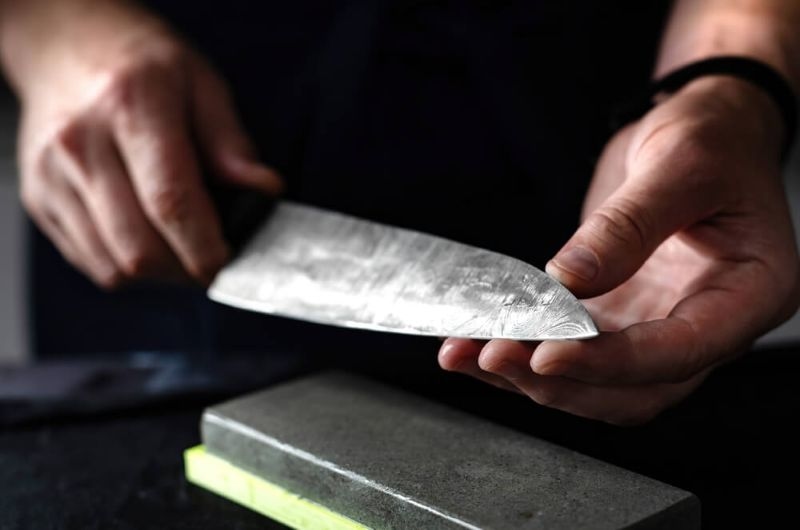
Developing knife-handling skills is one of the best things you can do for yourself in your kitchen. Your vegetable-chopping skills will improve your overall cooking. When you practice using the proper safe cooking method while developing beginner's knife skills, you will be using good basic knife-handling habits, and from there, you can build on those knife-handling habits to have both improved safety and greater presentation of food. Learning proper knife techniques will also help you develop a system for cutting food efficiently, enhance the enjoyment of everyday food prep, and make cooking easier by using the techniques of professional cooks, such as proper food slicing.
The information in this extensive guide will help you develop techniques to achieve consistent results, prevent injuries while cooking, and build confidence in your ability to prepare food quickly.
Good knife skills are not only about speed, but also about control, safety, and taste. Uniformly cut food will cook evenly; consistently sliced ingredients will improve the visual presentation on the plate; and using safe cutting methods will decrease accidents and reduce strain on your body.
According to reputable public health sources such as the Centers for Disease Control and Prevention (CDC) and FoodSafety.gov, proper use of kitchen tools can significantly reduce the possibility of accidents and contamination. This is where being a trained cook can help.
The benefits of having knife skills:
Knife skills are the foundation of being a successful cook.
Because uniformly cut ingredients will all cook at the same rate, when cutting your vegetables properly (for instance, evenly caramelizing onions and evenly roasting carrots), you will create an even balance of textures in your finished products such as salads, stir-fries and soups.
In addition, cutting (instead of crushing) herbs correctly will preserve their integrity and enhance their flavour; Clean cuts will ensure that the flavor's remain bright and strong.
Begin working on knife techniques for beginners by perfecting your grip and posture.
1. Knife Grip: Use a pinch grip, where you pinch the knife blade between your thumb and index finger just above the handle, for maximum control and to support using safe cutting techniques.
2. Use the Claw Method: Keep your fingers curled under when holding the food. The claw method is used by professionals because it keeps the knuckles close to the blade, preventing slipping.
3. How to Chop Vegetables: Concentrate on being consistent when chopping vegetables.
Dicing (small, evenly-sized cubes), Julienne (thin matchsticks), Chiffonade (thin ribbons from leafy green vegetables).
When chopping your vegetables, maintain a consistent rhythm by rocking the knife's energy while keeping the tip on the cutting surface for an efficient yet precise cut.
4. Precision Slicing: Balancing the cutting edge, not using pressure to make cuts (prefer to work with the sharp edge of your knife), and honing your knife regularly will help with maintaining consistency and staying safe while using knives.
You do not need to go to culinary school to refine your professional knife skills. Through consistent dry-run practice, you can improve your technique.
Do not focus on speed when performing novice (beginner) knife techniques. Rather, focus on making even (uniform) cuts, and you will develop speed as you develop muscle memory.
For novice (beginner) cooks, a good (i.e., high-quality) chef’s knife (8” long, sturdy) will be the primary tool you will need to perform most cutting tasks in the kitchen. A high-quality paring knife will help you make fine slices (e.g., tomatoes) while providing proper control.
Cutting and dicing various vegetables daily (small cuts or large cuts) will help develop your knife skills. For example, each day you can practice developing your knife skills by dicing onions for soup, julienne peppers for salads, and slicing herbs.
Professional knife skills are maintained through repetitive movements, increased awareness of your surroundings while cutting, and proper food safety practices.
Cutting-related accidents can happen in the kitchen, but they can also be avoided by using safe cutting techniques that provide a safe environment for you to cook.
Stabilizing your cutting board with a damp towel underneath it will help prevent it from slipping out from under you while you cut, greatly improving the safety of your knife skills.
Having sharp knives means you won't have to apply as much pressure, making it easier to make perfect cuts and reducing strain on your wrist.
When practicing your knife techniques, make sure you are completely focused, with no distractions. For example, facing all handles towards you while practicing knife techniques will help to ensure that you stay focused.
Foundational to developing professional knife skills is using safe cutting techniques, which are essential for mastering knife skills in your kitchen.
Many experienced cooks make mistakes that hinder their culinary productivity.
1. Using the wrong knife.
2. Using excessive force while cutting.
3. Not following the proper technique for cutting vegetables.
4. Not using the proper claw grip when slicing.
5. Rushing through the task without any care.
By correcting these identified habits, they can learn stronger knife skills and enhance their confidence. Professional knife skills are based on awareness and refinement.
Visualize a nicely sliced cucumber atop a very fresh salad. Working through potatoes to create a beautiful golden brown roast. Or, finely chopped fresh herbs added to a dish to release their full aroma; these are all characteristics of having strong knife skills.
Developing beginner knife skills into professional knife skills takes time and a great deal of effort. By practicing proper cutting techniques, you can ensure they last as long as you use them in the kitchen. Applying some of the best additional knife skills will make your dish appealing to eat and should greatly enhance your ability to cook.
Investing in knife skills is one of the best things a home chef can do to be successful in the kitchen. Learning how to chop vegetables correctly, practicing safe cutting techniques, and practicing beginner knife skills every day create the solid foundation needed for good cooking.
You don’t have to be a chef to develop professional knife skills. With dedication and awareness, you can work on your slicing techniques, increase your speed, and gain confidence in your cooking.
Cooking beautifully starts with a basic knife and good technique.
Becoming good at using knives has a lot to do with practice. If you practice daily and continue to work on safe cutting methods, holding the knife correctly, and how to chop vegetables correctly, you will see improvements in your skills in a few weeks.
A good first knife is an 8-inch chef's knife. It will work for most tasks, help improve your safe cutting skills, and give you the opportunity to practice your slicing techniques and achieve professional knife skills at home.
First, focus on the basic aspects of cultivating consistency through safe cutting techniques. Practice chopping vegetables evenly using the claw grip technique, and as your muscles continue to develop, you will also develop faster knife skills and slicing techniques.
This content was created by AI