

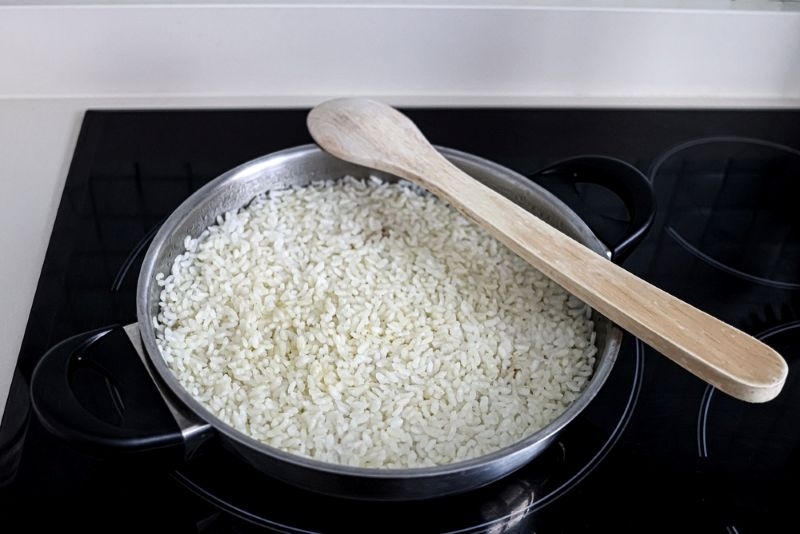
Grains look simple. Water plus heat plus patience. Yet somehow, they end up gummy, crunchy, scorched, or all three at once. It’s not because people “can’t cook.” It’s because grains punish small mistakes. Too much water, too little resting time, heat too high, lid lifted at the wrong moment, pot too thin. Boom. Sticky city.
The good news is that grains behave predictably once a few rules click. Think of it like learning a shortcut route in a new city. After a couple of runs, the confusion disappears. And dinner gets way less stressful.
Most grains follow the same basic rhythm: rinse (sometimes), toast (optional), simmer gently, then rest off the heat. That last part matters more than most people realize. Resting lets steam finish the job without overcooking the outside.
Here’s the simple, repeatable method that works for rice, quinoa, farro, barley, and plenty of other pantry staples:
That’s it. It sounds boring. Boring is good. Boring makes grain perfect.
If grains are mushy, there’s almost always too much water or too much cooking time. If they’re crunchy, too little water or not enough time. This is where grain to water ratio stops being a random cooking phrase and starts being the difference between “nice” and “why did I do this to myself.”
A quick general guide (always check the package too, because varieties differ):
This is a starting point, not a law carved into stone. Different pots, different stoves, even different humidity levels can nudge results. But a good ratio gets someone 90 percent of the way there.
The pot matters. A thin-bottom pot heats unevenly and can scorch grains even when the water looks fine. A heavy-bottom pot spreads heat more gently and keeps the simmer steady. That steady simmer is where grains cook evenly without sticking.
Also, the lid needs to fit well. Steam is part of the cooking system. If steam escapes, the water level drops, and grains cook unevenly. People keep adding water to fix it, then they get mush. It’s a sad cycle.
If the lid is loose, a simple trick works: place a clean kitchen towel between the pot and lid. It absorbs excess condensation and creates a tighter seal. Just keep the towel away from the flame.
Rinsing is not just a fussy chef thing. It removes surface starch, which helps prevent clumping. If someone struggles with clumpy rice, rinsing is worth the extra 20 seconds.
Rinse when:
Toasting is optional, but it adds flavor. A quick toast in a little oil or butter before adding water gives grains a nutty, warm depth. It also helps with separation, which supports fluffy grains techniques.
The best of both worlds is rinse, drain well, then toast. Not always necessary. But if someone wants grains that taste like they came from a restaurant, this is a sneaky upgrade.
Rice is the grain that starts the most arguments. Everyone has a method. Everyone swears theirs is “the only way.” Fine. But here’s a reliable approach that works in most kitchens and keeps things calm.
The resting step is where the magic happens. It finishes the interior gently and keeps the grains from collapsing into mush.
For people chasing perfect rice tips, one habit helps more than any other: stop lifting the lid. Every time the lid comes off, steam escapes and cooking becomes uneven. Trust the process. Set a timer. Walk away.
If someone specifically wants to avoid sticky rice, rinsing and resting are the two biggest wins. Sticky rice is usually excess starch plus too much stirring, not some mysterious curse.
Quinoa gets a bad reputation because it can turn mushy fast. But when it’s done right, it’s fluffy and clean-tasting, with that little pop.
A quick quinoa cooking guide that actually works:
If quinoa tastes bitter, it probably wasn’t rinsed enough. If it tastes watery or heavy, it likely needed less water or a longer rest with the lid on.
Resting is not optional. It’s the quiet part that fixes everything. Think of grains like they’re finishing a marathon. They need a minute to breathe, redistribute moisture, and settle. If someone fluffs too early, steam escapes and the grains can collapse or feel wet.
A good rule:
Then fluff gently. Not aggressively. No mashing. Grains are not mashed potatoes.
Burning usually happens for one of three reasons:
The fix is often simple. Lower the heat more than seems necessary. Many stoves run hot even on “low.” A true gentle simmer should look calm, not like a bubbling volcano.
If someone consistently gets scorched rice, a heat diffuser can help. Or switching to a heavier pot. Or both.
Another trick: after bringing water to a boil, stir once, then reduce heat and cover. That one stir helps prevent sticking early on.
Plain grains can taste like… nothing. Which is fine if they’re a base for saucy dishes, but boring grains make meal prep feel sad.
Easy upgrades:
These small touches make grains feel intentional. Like someone planned dinner instead of surviving it.
Usually too much water or too much time. Next time, reduce water slightly or shorten cooking time, then rest longer.
Not enough water or not enough time. Add a splash of hot water, cover, and steam on low for a few more minutes.
Too much starch, too much stirring, or too much water. Rinse more, stir less, and measure carefully. It also helps to rest longer and fluff gently.
Heat too high or pot too thin. Lower the simmer and use a heavier pot.
Grains are forgiving when adjustments are small and quick. They get messy when someone tries to fix everything at once.
If someone wants to get good at grains fast, the easiest move is picking one grain and repeating it for a week. Same pot, same ratio, same method. Make small tweaks. Write down what happened. The learning curve gets short.
Once one grain is mastered, the others feel familiar. Different timing, similar logic. That’s how cooking skills actually stick. And yes, people will start casually making rice and quinoa like it’s nothing. Which is funny, because it used to be a whole situation.
White rice or quinoa are great starters because they cook fairly quickly and show clear results. Use measured water, low heat, and a proper rest.
Not all, but many benefit from rinsing. Rinse rice to reduce starch and quinoa to remove bitterness. Hearty grains like farro often do fine with a quick rinse.
Spread it on a plate to release steam, then fluff gently. Next time, rinse more thoroughly, reduce water slightly, and avoid stirring while it cooks.
This content was created by AI