

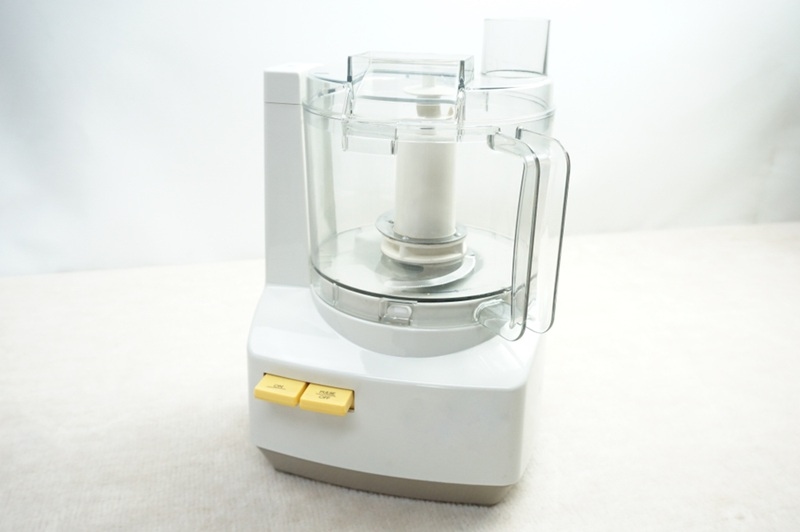
A food processor is one of those tools people buy thinking it will be “nice to have,” then suddenly it’s doing half the kitchen work. Onions get diced without tears. Carrots turn into neat coins. Hummus goes from chunky to silky in a minute. It’s not magic. It’s just a motor, sharp blades, and a bowl that can handle real volume.
But here’s the catch. Not every model performs the same. Some struggle with thick dough. Some leave frustrating chunks when you want smooth puree. Some look big, but the usable capacity is smaller than expected. That’s why shopping for the best food processors is less about picking the prettiest one and more about matching the machine to the way someone actually cooks.
So, what should a buyer focus on first? Power, bowl size, build quality, and whether the attachments fit the tasks they truly do every week. Not the fantasy tasks. The real ones.
This article is not going to pretend there is one perfect machine for everyone. A single person doing weekly meal prep needs something different than a family making dough, sauces, and slaws all weekend. Still, the best models tend to share a few traits.
They feel stable on the counter. They have a motor strong enough to keep speed consistent. Their blades are sharp, well-shaped, and easy to clean. And they don’t make people dread pulling them out of a cabinet.
A smart way to shop is to think in “jobs,” not features. If the main job is chopping and slicing vegetables fast, then feed tube design and slicing discs matter. If the job is pureeing soups, baby food, or dips, then bowl shape and blade reach matter. If the job is dough, then torque and capacity matter most.
This is where the food processor buying guide mindset helps. The goal is not to collect specs. It’s to predict daily experience. Will it be easy to assemble? Will it be easy to rinse? Will it be annoying to store? Those little things decide whether a processor becomes a favorite or a dust collector.
Many shoppers look at watts and stop there. It’s understandable. More watts sounds better. But performance comes from a mix of motor power and how well the machine transfers that power under load. Chopping a cucumber is easy. Breaking down hard cheese, kneading dough, or grinding nuts into butter is where weak models complain.
That’s why people often search for powerful food processors when they want a machine that does not stall or overheat. A strong processor should keep moving even when the bowl is full and the ingredients are heavy. It should not force the user to stop every 20 seconds to scrape the sides because the blade cannot circulate food well.
A good sign is when the processor handles tough jobs with a steady sound, not a strained one. Another sign is a base that does not “walk” across the counter during shredding. If it vibrates like it’s trying to escape, that’s not a charming personality trait. That’s a warning.
Bowl size is a sneaky detail. A model can say “12 cups,” but that does not always mean 12 cups of usable working space. Overfilling leads to uneven chopping, messy lids, and ingredients that do not circulate.
Choosing a large capacity processor is smart for families, batch cooks, and anyone who makes big bowls of coleslaw, salsa, or pie dough. It’s also helpful for shredding cheese in bulk, slicing potatoes for a crowd, or making a double batch of hummus without stopping.
Smaller households might prefer a compact size that is easier to lift, wash, and store. The “best” capacity is the one that fits the way a person cooks today, not the version of life where they host dinner parties every weekend.
A processor is only as useful as its attachments. The standard S-blade should chop evenly and reach ingredients around the bowl, not just spin in the center like it’s bored. Slicing discs should produce consistent thickness. Shredding discs should not turn half the cheese into mush.
This is where multipurpose food processors shine. They typically include the basics that cover everyday prep: chopping, slicing, shredding, and mixing. Some also include a dough blade, a julienne disc, or adjustable slicing options that make them feel more like a prep station than a single tool.
Still, a buyer should be realistic. If someone never juliennes, they should not pay extra for a disc that stays in a box forever. It’s okay to keep it simple.
Some features are genuinely helpful. Others just add buttons.
Helpful features often include:
Less helpful features tend to be gimmicks that are hard to clean or easy to lose. A processor should reduce effort, not add tiny parts that live in a drawer like forgotten LEGO pieces.
People also like quick assembly. If the lid requires a secret handshake to lock, that gets old fast.
When shoppers look for top rated processors, they usually want two things: reliable performance and fewer regrets. In real life, “top rated” often means the processor is consistent over time, does not feel flimsy, and handles common tasks without constant babysitting.
A smart buyer also looks for:
It’s also worth thinking about service and replacement parts. A food processor can last years, but only if the lid, blade, or bowl can be replaced when life happens.
Now that the basics are clear, it helps to circle back and be specific. The best food processors are the ones that match the user’s daily habits. If they cook a lot of vegetables, slicing quality matters. If they make dips and purees, bowl shape and blade reach matter. If they bake, torque matters.
A good strategy is to write down the top five things the processor will do most often. Not once a year. Most weeks. Then match the machine to those tasks.
If chopping is the main job, a smaller bowl might still be perfect. If slicing and shredding for meal prep is the main job, a stronger motor and better feed tube design might matter more than extra accessories. People should choose based on usage, not hype.
Many kitchens benefit from powerful food processors because time-saving only counts if the machine handles tougher ingredients smoothly. A processor that struggles with nuts, dense veggies, or thick mixtures slows everything down. It also creates more cleanup because ingredients stick to the bowl and lid.
The better models power through harder jobs and keep consistent speed. They also tend to have better airflow and durability, meaning they can run longer without feeling like they need a nap.
For anyone who meal preps in bulk, cooks for family, or loves making sauces and spreads from scratch, motor strength is not an upgrade. It’s the foundation.
A second pass at the food processor buying guide idea is simple: buy for the job, then buy for the person. The “job” is the cooking tasks. The “person” is the one who has to lift it, clean it, and store it.
A few quick checks help:
If a model checks the boxes and feels easy to live with, it is likely a better choice than a flashier one that looks good online.
A large capacity processor is not only about feeding a crowd. It’s also about working comfortably. Bigger bowls reduce overflow, improve circulation, and make it easier to process ingredients evenly. That matters when shredding a lot of cheese, slicing veggies for meal prep, or mixing a thicker dough-like mixture.
However, bigger is not always better. Some people hate washing a large bowl for a small task. In that case, pairing a large processor with a smaller prep tool can make sense. Or choosing a mid-size that fits most jobs without feeling too bulky.
The best capacity is the one that gets used often.
When someone buys multipurpose food processors, they usually want fewer gadgets overall. A good processor can replace a manual slicer, a box grater, and a lot of knife work. That is a big deal for busy schedules.
The key is how well those functions actually work. If slicing is uneven or shredding is messy, the “multipurpose” promise falls apart. A strong multipurpose model should handle the basics cleanly and predictably, without needing constant scraping and rearranging.
The goal is smooth kitchen flow. Prep, process, cook, done. Not prep, process, fix the mess, process again, sigh.
Finally, a reminder about top rated processors: ratings can point in the right direction, but fit matters more. A model might be loved by bakers but feel unnecessary for someone who only chops veggies. Another might be perfect for smoothies and sauces but weak with dough.
A good buyer thinks in habits, kitchen space, and comfort. If it is easy to reach for, it will get used. If it is heavy and awkward, it will stay hidden.
A mid-size bowl works for most beginners because it handles common prep without feeling bulky. If the household batch-cooks often, a larger bowl can be more comfortable.
Not completely. Food processors excel at chopping, slicing, shredding, and thicker mixtures. Blenders are better for very smooth liquids like smoothies, soups, and sauces.
They should avoid buying based on features they will not use. A processor should match real weekly tasks, clean easily, and feel sturdy enough to last.
This content was created by AI