

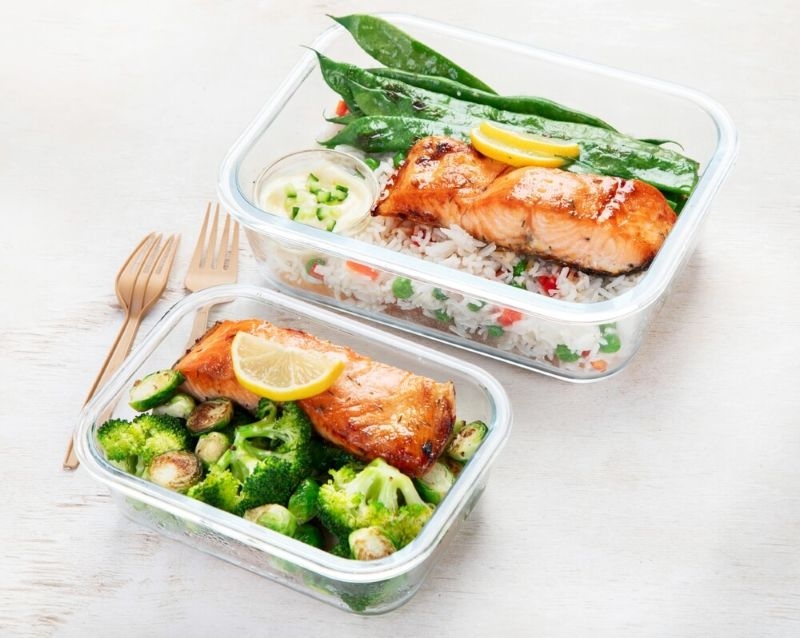
Meal prep can be the calmest part of a busy week. Or it can be a fridge full of mismatched lids, mystery smells, and one container that absolutely will leak the second it touches a backpack. Most people have lived that movie.
Good containers do two things at once. They protect food quality and they protect your time. When leftovers store well, they actually get eaten. When everything stacks neatly, the fridge stops feeling like a chaotic puzzle. And when containers travel without spills, lunch stops being a gamble.
It sounds small, but it changes habits. People prep more when cleanup is easy. People waste less when food stays fresh. The container choice quietly runs the whole system.
There are “perfect” containers online, and then there are containers that survive real days. Real days include rushing, reheating, forgetting something in the car, and occasionally dropping a lid into the sink like it’s an Olympic sport.
For everyday use, the best setup is usually a mix:
That’s the foundation. And yes, it beats buying one giant set with pieces nobody uses.
Now here’s the key question: where will these containers live? If the answer is “everywhere,” then the system fails fast. A simple bin or one shelf dedicated to containers can save an unreasonable amount of frustration.
This is the classic debate. Both can work. It depends on priorities.
Glass containers feel sturdy and clean. They resist stains. They don’t hold onto smells. They also look nicer in the fridge, which weirdly makes people more likely to eat what they prepped. The downside is weight and the risk of breakage.
Plastic containers are lighter and typically cheaper. They’re easier to carry and less stressful for kids’ lunches. But plastic can stain, especially with tomato-based foods and turmeric-heavy meals. Over time, that “old container smell” can sneak in too.
A lot of people land on a combo. Glass at home for storage and reheating. Plastic for travel or work bags. No rules, just practicality.
If someone walks into a store and grabs the first set they see, they usually regret it later. A better approach is to check a few specific features.
A tight lid is non-negotiable. Loose lids create two problems: leaks and faster spoilage. This is where leak proof containers earn their keep, especially for soups, curries, and saucy pasta.
A strong seal should feel secure when it snaps shut. It should not require superhuman grip strength, but it should not be flimsy either. If the lid flexes like a cheap toy, that’s a warning sign.
Round containers are nice for soup. Rectangular containers are better for stacking. If the fridge space is limited, stackable storage containers are the difference between “organized” and “why is there no room for anything.”
Also, check if the containers nest when empty. That matters more than people realize. Nobody wants to sacrifice an entire cabinet to storage.
Some containers say they are microwave-safe. That does not always mean the lid is microwave-friendly. Steam buildup can warp lids or make them brittle faster.
Dishwasher-safe is also worth checking. If containers require handwashing forever, the whole routine gets annoying. And when it gets annoying, people stop using them. Simple.
Many shoppers look for BPA free meal prep containers for peace of mind, especially when reheating food. It’s a reasonable checkbox, along with making sure the container is designed for the temperatures it will face.
If the plan includes reheating daily, glass is often easier to trust long-term. Plastic can still work well, but it needs to be good plastic, not the thin stuff that warps after three microwave sessions.
One mistake people make is buying all the same size. Then salads get crushed and sauces get spilled.
A smart mix usually includes:
Those small containers are underrated. Sauces stored separately keep textures better. Salads stay crisp. Burrito bowls don’t turn soggy by day two. That little detail makes meal prep feel more enjoyable.
Freshness is not just about cooking. It’s about storage. Air exposure dries food out. Poor lids let odors mix. And containers that don’t cool properly can lead to condensation, which makes things soggy.
Here are a few habits that help:
It’s not obsessive. It’s just practical. And it’s why best food storage containers are often the ones with dependable seals and easy organization.
A lot of people buy great containers and still struggle because the system is messy. The fix is simple: match containers to routines.
Try this setup:
When meals are visible, they get eaten. When they’re hidden behind random jars, they get forgotten. That’s not laziness. That’s human nature.
Also, keep lids together in one place. A container without its lid is basically a sad bowl. Nobody needs that energy.
Certain foods just store better when the container choice is right.
Use a larger container. Keep dressing in a small separate one. Add crunchy toppings right before eating. This prevents the “wilted salad sadness.”
Choose deeper containers with strong seals. This is where leak proof containers really matter, because one spill can ruin a bag, a laptop, and a good mood.
Overnight oats, yogurt parfaits, and fruit containers work best in smaller jars or compact containers. They feel tidy, and that tidy feeling makes mornings smoother.
Small containers for nuts, hummus, chopped veggies, or fruit. They turn “random snacking” into “I actually planned this,” which is a nice feeling.
Even great containers wear out if they’re treated roughly. A few simple habits keep them in good shape:
For glass containers, the main tip is not temperature shock. Don’t put hot glass under cold water. That’s an easy way to crack something and feel annoyed for no reason.
Buying a huge set can be tempting, especially when it’s on sale. The problem is that big sets often include awkward sizes. People end up using the same four containers and ignoring the rest.
A smarter approach is to build a custom mix based on real meals. Start small. Add what’s missing after two weeks. This avoids waste and creates a container collection that actually matches daily life.
If someone wants one guideline, here it is: buy for the meals they already eat, not the meals they think they should eat.
A good start is 8 to 12 containers: 5 to 7 medium ones for meals, 2 to 3 larger ones for batch food, and a few small ones for sauces and snacks.
Glass is great for reheating and resisting stains and odors. Plastic is lighter for travel. Many people use glass at home and plastic for work lunches.
Wash them soon after use, let them dry fully before stacking, and store tomato-based foods in glass when possible. Odors cling less when lids seal well.
This content was created by AI