

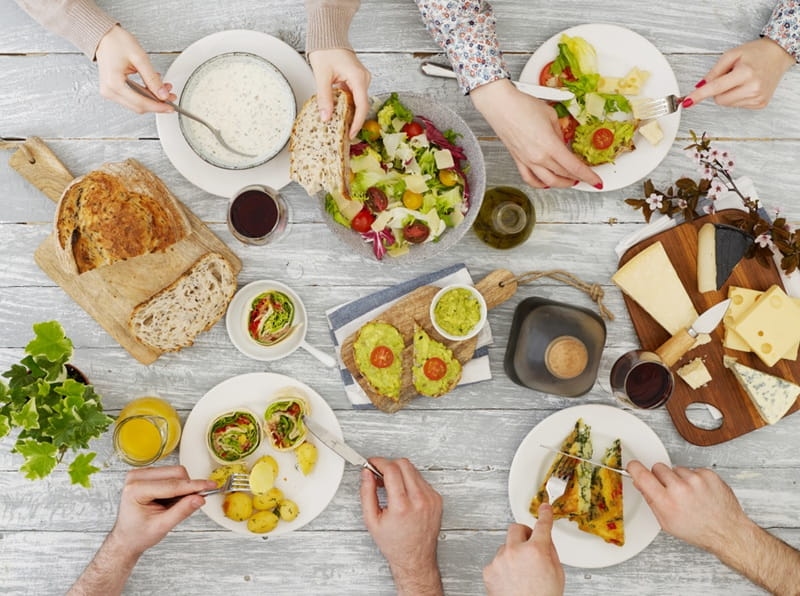
Most families don’t need a “perfect” meal plan. They need dinner to happen. On time. Without a second grocery run. Without draining the wallet. And without someone at the table looking personally betrayed by a plate of plain noodles.
That’s why budget friendly meals work best when they’re built around a few dependable ideas: flexible ingredients, repeatable flavors, and small habits that make cooking feel less like a nightly emergency. The goal is not to be fancy. The goal is to be consistent and still enjoy it.
Here’s a quick thought experiment. What does the average weekday dinner actually need? It needs protein, a carb, something green if possible, and seasoning that makes it feel like a real meal. That’s it. Everything else is optional.
There’s a difference between “cheap” and “sad.” A budget meal can still be comforting, bright, and filling. It just needs structure.
Start with this simple template:
When people keep these basics stocked, they can make dozens of dinners without having to invent something new every night. This is also where those low cost meal ideas start to feel limitless instead of repetitive.
A tight grocery budget usually gets wrecked by three things: impulse snacks, single-use ingredients, and wasted leftovers. Small tweaks help more than complicated rules.
Buy ingredients that can do more than one job. A bag of onions is not glamorous, but it shows up in soups, stir-fries, tacos, pasta sauce, and breakfast scrambles. The same goes for carrots, cabbage, eggs, and rice.
Frozen vegetables deserve more respect, too. They’re often cheaper, last longer, and save prep time. That matters on the nights when everyone’s hungry and nobody wants to chop anything.
If the goal is meals on a tight budget, planning around versatile staples is the easiest win. No fancy budgeting spreadsheet required.
Sometimes people hear “cheap dinner” and imagine the same three meals on repeat. It doesn’t have to be that way. A few flavor themes can change everything.
Try rotating these:
These themes can stretch ingredients in a way that feels fresh. One week’s rice can become fried rice. Leftover roasted vegetables can become a wrap filling. A pot of beans can turn into tacos, bowls, and soups.
That’s the whole trick behind cheap dinner recipes that still feel like real, enjoyable food.
When money is tight, time is usually tight too. One-pot and sheet pan meals help because they cut dishes and simplify cooking.
Here are reliable formats:
These are the kinds of affordable family dinners that don’t require perfect timing. They’re forgiving. If someone gets distracted for five minutes, the meal doesn’t collapse.
And honestly, that matters more than people admit.
Protein is usually the most expensive part of a meal, so stretching it is where budgets breathe again. The key is doing it in a way that still tastes great.
Easy ways to stretch:
A “half meat, half beans” chili doesn’t feel like a compromise when it’s seasoned properly. If anything, it tastes richer and more filling.
That’s the difference between scraping by and building a system that actually works.
Families don’t just budget for groceries. They budget for peace at the table. Meals that cause arguments feel expensive, even if the ingredients are cheap.
Some crowd-friendly, low-cost favorites:
It also helps to let people customize. A “build-your-own bowl” night sounds fancy, but it can be as simple as rice, beans, shredded cheese, and chopped veggies. Everyone can make their plate the way they like, and suddenly dinner is calmer.
That’s a win for taste and sanity.
Meal prep doesn’t need to be a Sunday marathon. It can be one smart batch that makes three dinners easier.
Good prep options:
These budget meal prep recipes are less about perfection and more about reducing weekday friction. When the base is already cooked, the “what’s for dinner” question stops being stressful.
People also waste less food when they have a plan to use it.
Flavor is not expensive. It just needs a little intention.
A few small upgrades that change everything:
Even a simple bean-and-rice bowl can feel exciting with the right seasoning and a squeeze of lime.
This is how families keep budget friendly meals from feeling like a punishment. They taste good because someone cared a little about the flavor.
If dinner is chaotic every night, spending tends to creep up. People order takeout. They buy extra groceries “just in case.” They forget what’s in the fridge and things go bad.
A calmer approach:
It’s not about rigid rules. It’s about fewer last-minute decisions.
When families treat dinner like a small routine instead of a daily crisis, budgets usually improve without much effort.
They can add fiber and volume with beans, lentils, potatoes, rice, and vegetables. A hearty base plus strong seasoning makes smaller portions feel satisfying.
Rice, pasta, canned tomatoes, beans, lentils, frozen vegetables, eggs, onions, and basic spices. These ingredients combine easily into many meals.
They can plan 1 leftovers night, store food in clear containers, and prep one “base” ingredient like rice or roasted vegetables to use across multiple dinners.
This content was created by AI